

What to Do Immediately After Being Arrested in St. Louis
Being arrested is one of the most disorienting experiences a person can go through. Your heart is pounding, you are scared, and you have no idea what is about to happen. The decisions you make in the first hours after an arrest can have a lasting impact on the outcome of your case. Here is what you need to know.
1. Stay Calm and Be Polite
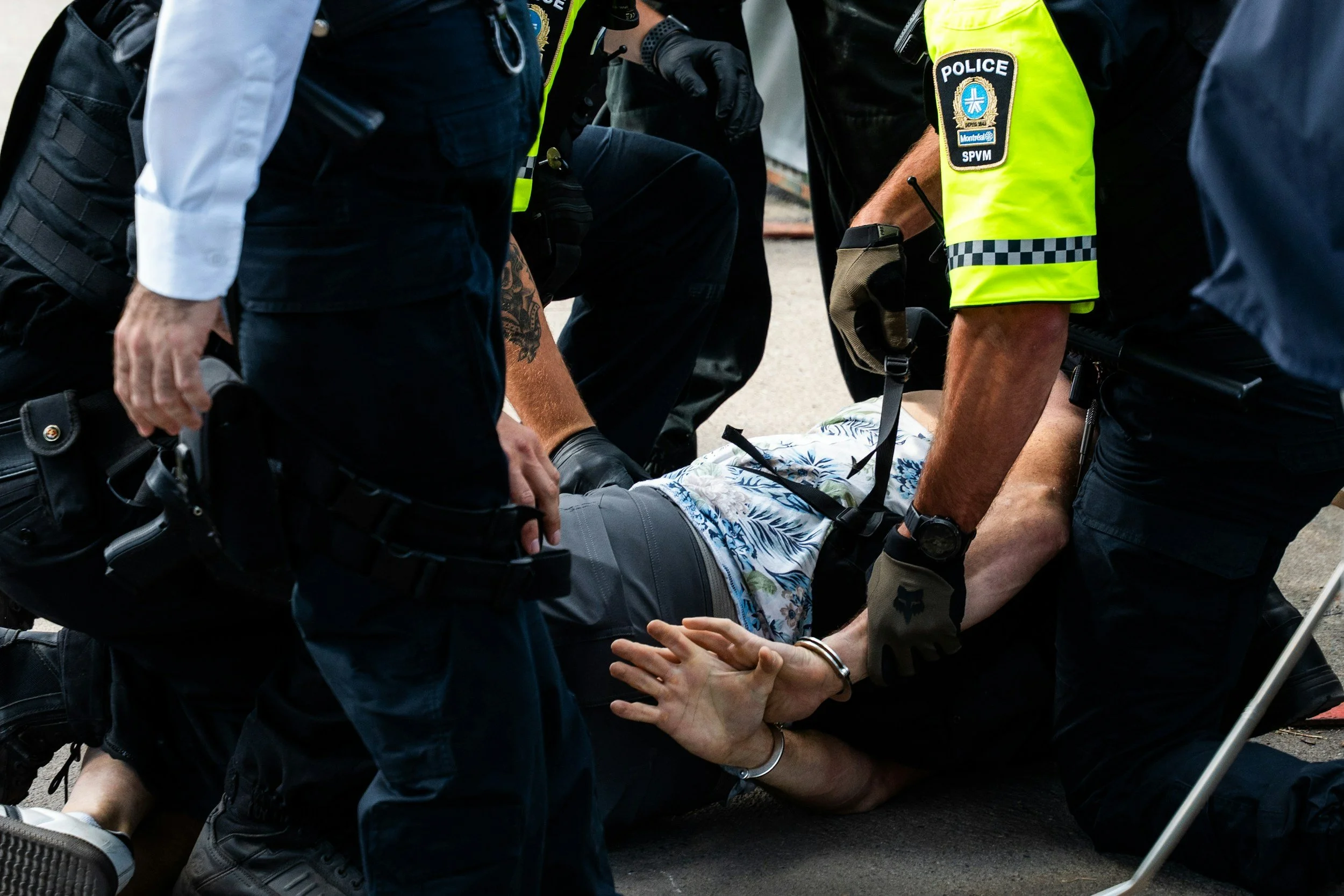
Do not resist arrest, even if you believe the arrest is unjust. Resisting can result in additional criminal charges (resisting arrest is a Class E felony in Missouri if it involves fleeing that creates a risk of injury). You can challenge the legality of the arrest later with your attorney. In the moment, cooperate physically while protecting your rights verbally.
2. Exercise Your Right to Remain Silent
You have the right to remain silent under the Fifth Amendment. Use it. You are required to provide your name and identification, but you do not have to answer questions about what happened, where you were, or who you were with. Politely say: “I am exercising my right to remain silent. I would like to speak with an attorney.”
Anything you say can and will be used against you. This includes casual conversation with officers, statements made in the back of the patrol car (which may be recorded), and conversations in holding areas that may be overheard.
3. Ask for an Attorney
You have the right to an attorney. If you cannot afford one, a public defender will be appointed. But if you are able to hire a private attorney, do so as quickly as possible. A private attorney can often begin working on your case immediately — contacting the court, arranging bond, and preserving evidence before it disappears.
4. Do Not Consent to Searches
If officers ask to search your vehicle, your phone, or your belongings, you have the right to refuse. Politely say: “I do not consent to a search.” They may search anyway if they have probable cause or a warrant, but your refusal preserves your right to challenge the search later in court.
5. Do Not Post on Social Media
Do not post about your arrest, your charges, or your case on any social media platform. Do not text friends about the details. Prosecutors can and do subpoena social media posts and text messages. Anything you share publicly or privately can become evidence.
6. Understand the Booking Process
After arrest, you will be transported to a station for booking. This typically includes fingerprinting, photographing, and entering your information into the system. You may be held until bond is posted, or you may be released on your own recognizance depending on the charges.
7. Contact a Lawyer Before Your First Court Date
Your first court appearance (the arraignment) is where charges are formally read and you enter a plea. Having an attorney before this date gives you the best chance of a favorable outcome from the very beginning.
If you or someone you love has been arrested in St. Louis, call Mark Lee at (314) 708-1720 immediately. We offer free consultations and can begin working on your case today.